+47 949 91 750
-1.png?width=234&height=100&name=Kompa%20Legacy%20-%20Helt%20Bl%C3%A5%20(Indigo)-1.png)
National Guidelines
for Water Treatment in Closed-Loop Power Plants
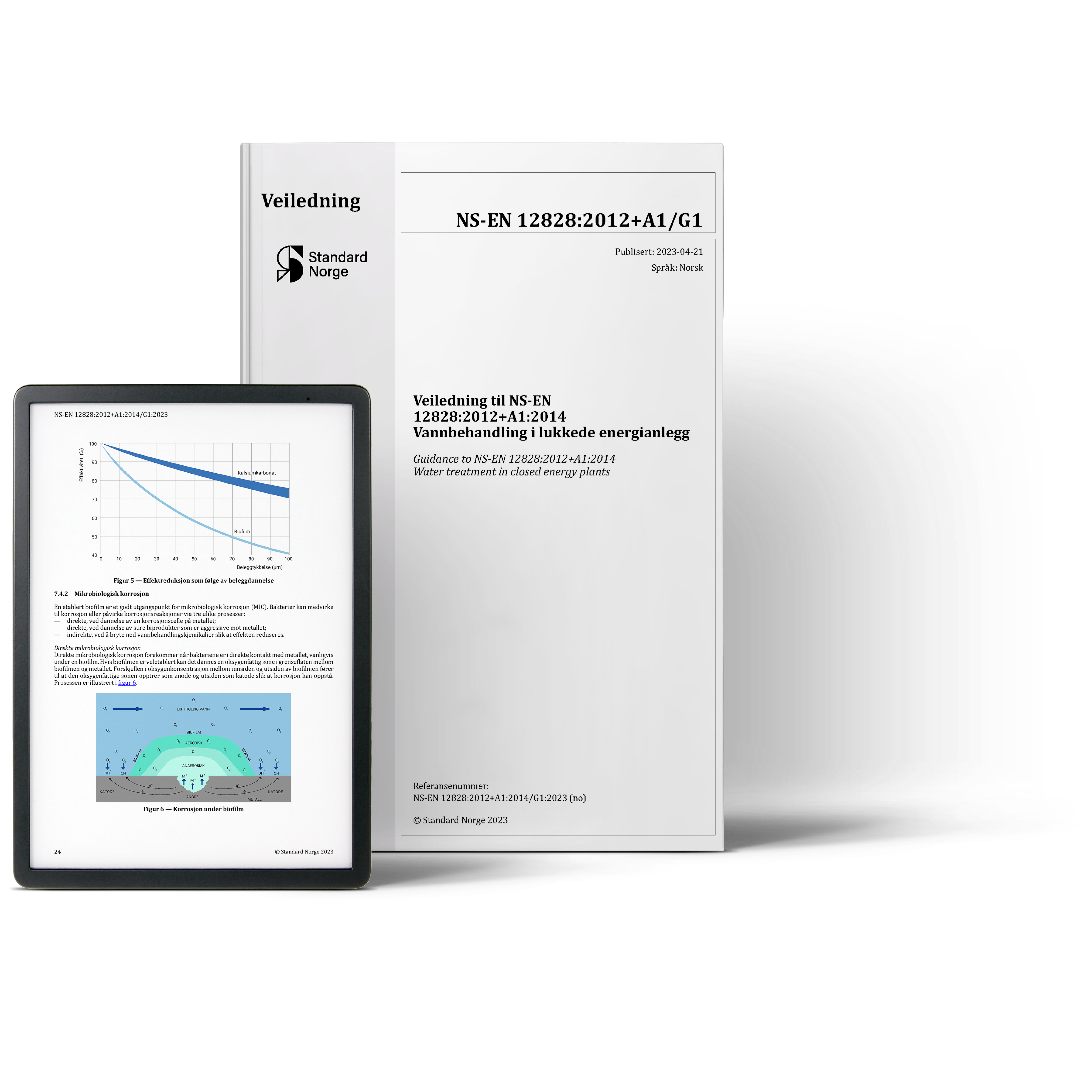
A practical and useful tool
We at Kompa are proud to have contributed to the publication of the national guidelines for water treatment in closed heating and cooling systems
The guide is the result of meticulous, long-term work led by the Technical Committee for Building Heating and Cooling Systems in Norway (SN/K 033) and incorporates the latest research findings and international standards in the field of water treatment
The result is a practical tool with detailed instructions for selecting water treatment methods, conducting water analyses, interpreting results, and maintaining water treatment programs for closed heating and cooling systems
A practical and useful tool
We at Kompa are proud to have contributed to the publication of the national guidelines for water treatment in closed heating and cooling systems
The guide is the result of meticulous, long-term work led by the Technical Committee for Building Heating and Cooling Systems in Norway (SN/K 033) and incorporates the latest research findings and international standards in the field of water treatment
The result is a practical tool with detailed instructions for selecting water treatment methods, conducting water analyses, interpreting results, and maintaining water treatment programs for closed heating and cooling systems


This guide can be used both in the design of new systems and in the maintenance of existing facilities. It will therefore be an important resource in efforts to reduce energy consumption and address operational challenges caused by inadequate water treatment.
Maria Råken
General Manager
Project Manager for the publication
Kompa AS
Contents of the Guide
A practical introduction to processes that may occur and how they lead to corrosion and scale formation in closed heating and cooling systems
Monitoring fluid quality through fluid analysis
Overview of components that should be included in a comprehensive water treatment program, along with descriptions of available methodologies
Inspection procedures for closed-loop energy systems and water treatment programs
Introduction to chemical and mechanical cleaning of closed heating and cooling systems

Why is a water treatment guide needed?
European standards and guidelines for heating and cooling systems have been in place for a long time, such as VDI 2035 or BSRIA’s guidelines for heating and cooling systems
The challenge is that these are based on water quality in other countries. In Norway, we primarily fill our systems with municipal drinking water. Norwegian drinking water is of high quality and low in calcium, but is, in turn, slightly more corrosive
Because water quality varies, the water treatment program must also vary. That is why it is important to have national guidelines tailored to Norwegian water quality, Norwegian construction practices, and—not least—methods available on the Norwegian market
Why is a water treatment guide needed?
European standards and guidelines for heating and cooling systems have been in place for a long time, such as VDI 2035 or BSRIA’s guidelines for heating and cooling systems
The challenge is that these are based on water quality in other countries. In Norway, we primarily fill our systems with municipal drinking water. Norwegian drinking water is of high quality and low in calcium, but is, in turn, slightly more corrosive
Because water quality varies, the water treatment program must also vary. That is why it is important to have national guidelines tailored to Norwegian water quality, Norwegian construction practices, and—not least—methods available on the Norwegian market
Ny nasjonal veileder - en komplett guide til problemfri drift av lukkede energianlegg
Initiativ fra Standard Norge sørger for oppdatering av europeiske retningslinjer for vannbehandling...
Is the manual a guide to water treatment?
This guide is not just a guide, but a reference for industry professionals. It is intended to help ensure that water treatment in heating and cooling systems is carried out in an efficient and cost-effective manner
With a national guide, we are one step closer to a more robust and sustainable approach to water treatment in the construction industry
Who is the target audience for this guide?
The guide is aimed at a wide range of users, but is specifically intended for people who work with heating and cooling systems in buildings—both during the planning phase, during installation, and during the operational phase.
Now that the industry has a common framework to follow, clients will be able to request that work be performed in accordance with the recommendations in the national guide.
When an installation is carried out in accordance with the guide, suppliers will be able to demonstrate that what they have delivered actually complies with the standard.
In addition, suppliers can also set requirements for facility owners regarding the monitoring, maintenance, and operation of the facility in accordance with the guidelines’ recommendations.

When should you use this guide?
Water treatment is necessary throughout all phases of a facility’s lifecycle. This guide provides a comprehensive overview of water treatment—from design to operation and maintenance.
This guide provides recommendations for effective maintenance planning and is a useful tool for professionals when designing water treatment measures
In addition, the guide is useful for regularly monitoring and adjusting water quality parameters to ensure that facilities operate at their most efficient level while complying with applicable environmental and safety standards
Design Phase
Installation Phase
Operational Phase
Gode nyheter for norske varme- og kjøleanlegg
Standard Norge har lansert en veileder for vannbehandling i lukkede varme- og kjøleanlegg. Denne publikasjonen vil være et viktig verktøy for å sikre optimal drift av energianlegg i Norge, og skal...
Examples of how to use the guide

Preparation
of requirements specifications
Consultants, advisors, and suppliers benefit from this guide by being able to prepare requirements specifications for water treatment methods and water treatment programs with reference to the recommendations in the guide. Standardized requirements ensure efficient bidding processes and contribute to higher-quality deliveries
Follow-up
of Your Own Installation
Plumbers, service technicians, and operations managers find the new guide to be a useful tool for monitoring their own water treatment program and ensuring good fluid quality in the power plant

Follow-up
of Your Own Installation
Plumbers, service technicians, and operations managers find the new guide to be a useful tool for monitoring their own water treatment program and ensuring good fluid quality in the power plant

Operational Improvements and Cost Savings
By following the recommendations in this guide, building managers, contractors, HVAC professionals, and operations managers can reduce energy consumption and extend the service life of facilities and components. This contributes to operational predictability and associated cost savings
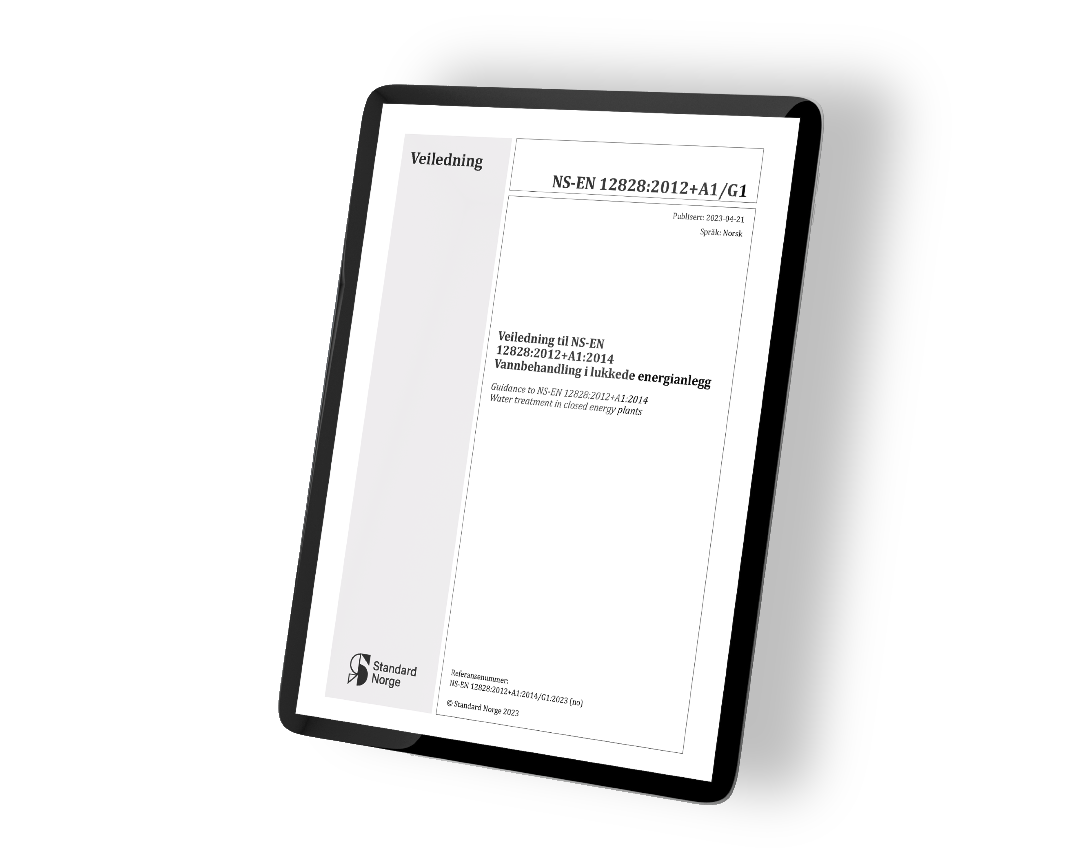
Free download
Download your copy
European standards
Does the supervisor ensure that the new European standards are followed?
The water treatment guide is based on the work Standard Norway has done on the upcoming European standard PrEN 17671 and the revision of EN 14336 and EN 12828
Although the guide currently serves as a comprehensive document containing recommendations on the best solutions, there will always be a need for updates and revisions to the guide in the future
Therefore, the guide will also be continuously updated with new technologies, research, and industry experience. This will ensure that the national guide to water treatment is always kept up to date and consistently remains relevant to the industry


Who is behind the guide?
The Norwegian Standards Committee “SN/K 33 Heating and Cooling Systems in Buildings” established a project group tasked with ensuring the technical and independent foundation necessary for such a project.
The project group consists of a carefully selected team of project managers: Van Ha Doan from Kompa AS, Maria Råken from Kompa AS, and Torstein Hofvind Solhaug from Zijdemans Consult AS (Armaturjonsson at the start of the project).

Van Ha Doan
Kompa AS

Torstein Hofvind Solhaug
Zconsult AS

Maria Råken
Kompa AS
Research and Development
Intervju med Maria Råken - en drivkraft bak den nye nasjonale veilederen
Den nye nasjonale veilederen for vannbehandling er nå tilgjengelig, og den forventes å bli et viktig verktøy for å sikre optimal drift av varme- og...
What types of facilities does the guide cover?
This guide is an important resource for maintaining proper water quality and ensuring the efficient and reliable operation of energy systems in all types of buildings, regardless of size
Whether you have a large office building that needs to maintain a comfortable indoor climate, a hospital that relies on optimal cooling solutions for medical equipment, or a smaller industrial facility that needs to ensure reliable operation, this guide will provide you with the necessary guidelines to achieve energy-efficient operation

What types of facilities does the guide cover?
This guide is an important resource for maintaining proper water quality and ensuring the efficient and reliable operation of energy systems in all types of buildings, regardless of size
Whether you have a large office building that needs to maintain a comfortable indoor climate, a hospital that relies on optimal cooling solutions for medical equipment, or a smaller industrial facility that needs to ensure reliable operation, this guide will provide you with the necessary guidelines to achieve energy-efficient operation
How can the supervisor contribute to efficient energy management?
This guide provides not only general guidelines but also specific recommendations on how you can maintain proper water quality in your power plant
By following the guide’s recommendations, you can avoid problems such as corrosion, scale buildup, and biological growth in the system, which can lead to reduced operational efficiency and increased costs
How can the supervisor contribute to efficient energy management?
This guide provides not only general guidelines but also specific recommendations on how you can maintain proper water quality in your power plant
By following the guide’s recommendations, you can avoid problems such as corrosion, scale buildup, and biological growth in the system, which can lead to reduced operational efficiency and increased costs
What are the most important recommendations in the guide?

A lack of water treatment and poor water quality are often the main causes of many of the challenges plant owners face. One reason for this has been that, when installing a new power plant, there has been no requirement to simultaneously implement a water treatment program.
One of the new elements in the guide is the recommendation that a comprehensive water treatment program be included as early as the plant design phase.
The guide provides specific recommendations for installing water treatment during the planning or construction phase of a facility. This represents a significant departurefrom previous practice, where the need for water treatment was identified later and water treatment was evaluated after the facility had already begun operations.
What are the most important recommendations in the guide?
A lack of water treatment and poor water quality are often the main causes of many of the challenges plant owners face. One reason for this has been that, when installing a new power plant, there has been no requirement to simultaneously implement a water treatment program.
One of the new elements in the guide is the recommendation that a comprehensive water treatment program be included as early as the plant design phase.
The guide provides specific recommendations for installing water treatment during the planning or construction phase of a facility. This represents a significant departurefrom previous practice, where the need for water treatment was identified later and water treatment was evaluated only after the facility had been commissioned.
Four Key Points from the Guide
Optimal System Design
The system should be designed to minimize the risk of corrosion, scale buildup, and microbial growth, while facilitating maintenance and monitoring of water quality
Proper Water Treatment
Choosing the right water treatment method is crucial and should be based on water quality and the facility’s specific requirements
Continuous Monitoring
Regular monitoring of water quality and the condition of the system is necessary to identify potential problems early and take the necessary measures
Training and Expertise
Operating personnel should have a solid understanding of water treatment and be able to handle any problems that may arise during operation
How does the supervisor contribute to environmentally friendly and cost-effective operations?

Failure to treat water can quickly lead to corrosion and scale buildup in the system. Even a thin layer of sediment can drastically reduce heating or cooling efficiency, which in turn leads to increased energy consumption
Costs associated with increased energy consumption, operational problems, or component replacement resulting from poor water quality can easily be avoided by following the guidelines in the national water treatment manual
How does the supervisor contribute to environmentally friendly and cost-effective operations?
Failure to treat water can quickly lead to corrosion and scale buildup in the system. Even a thin layer of sediment can drastically reduce heating or cooling efficiency, which in turn leads to increased energy consumption
Costs associated with increased energy consumption, operational problems, or component replacement resulting from poor water quality can easily be avoided by following the guidelines in the national water treatment manual

How can you address the recommendations from your advisor?
Inspektor assesses the quality of the fluid in your energy system and provides you with a comprehensive overview of the condition of your heating or cooling system.
By combining data insights with our expertise, Inspektor can provide tailored recommendations for addressing deviations and optimizing operations for each individual system.
This allows you to easily comply with the recommendations from the national guidelines for water treatment while ensuring optimal operating conditions for your heating or cooling system.
The solution is cloud-based
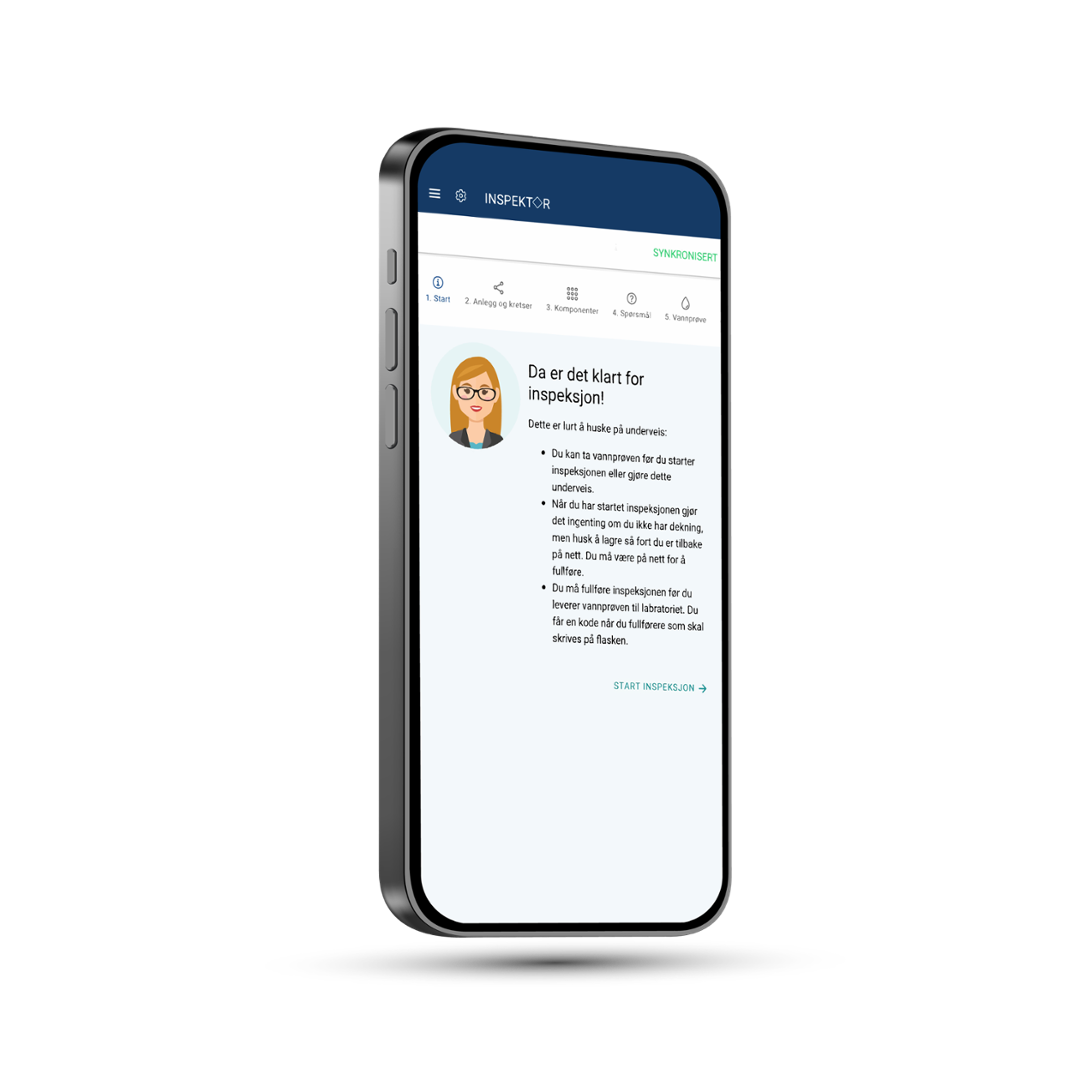
Condition Assessment
With Inspektor, you get a complete overview of the condition of your heating or cooling systems
The solution includes product-specific recommendations for addressing deviations and improving operations, provided by Kompas’s technical experts
Condition Assessment
With Inspektor, you get a complete overview of the condition of your heating or cooling systems
The solution includes product-specific recommendations for addressing deviations and improving operations, provided by Kompas’s technical experts
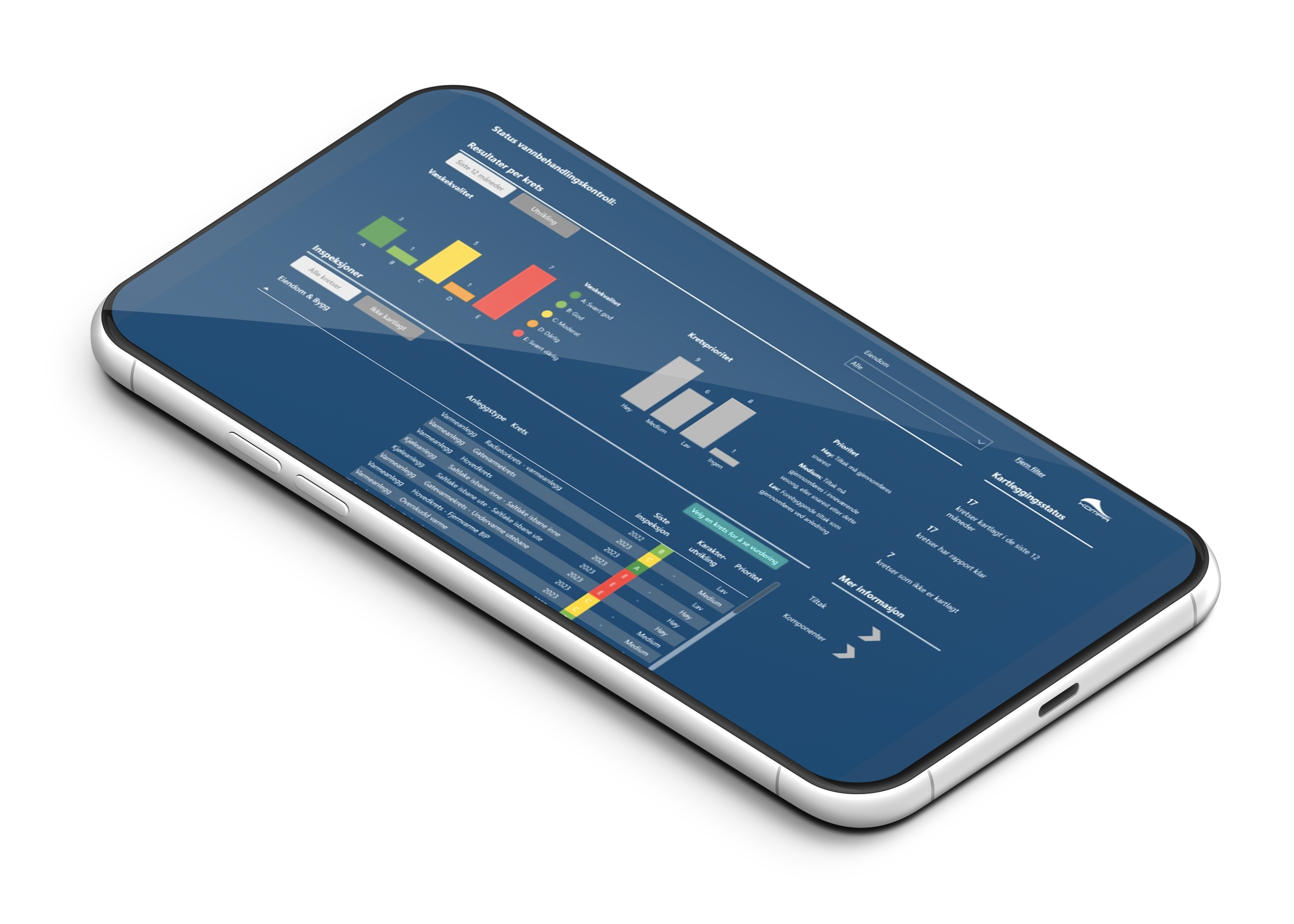
Insights and Actions
The dashboard shows you trends and historical insights and lets you track the impact of actions
Inspector alerts you to potential operational challenges and lets you choose which measures are most critical and where you’ll see the fastest results in making your facility more energy-efficient
Insights and Actions
The dashboard shows you trends and historical insights and lets you track the impact of actions
Inspector alerts you to potential operational challenges and lets you choose which measures are most critical and where you’ll see the fastest results in making your facility more energy-efficient
3,950,-
*excluding assessment and VAT
- Fluid analysis at an accredited laboratory
- Status Report with Recommended Actions
- Insights, History, and Trends
- Annual inspection of the facility
Applies to fixed agreements for decommissioned power plants
Take control of your energy system
With Inspektor, you can make decisions based on technical expertise and data to achieve optimal energy efficiency from your facilities
The recommendations from our technical experts make it easy for you to meet the standards set forth in the National Guide to Water Treatment
Annual inspections with Inspektor also ensure that issues are identified before they lead to extensive and costly operational problems
Take control of your energy system
With Inspektor, you can make decisions based on technical expertise and data to achieve optimal energy efficiency from your facilities
The recommendations from our technical experts make it easy for you to meet the standards set forth in the National Guide to Water Treatment
Annual inspections with Inspektor also ensure that issues are identified before they lead to extensive and costly operational problems
3,850,-
*excluding assessment and VAT
- Fluid analysis at an accredited laboratory
- Status Report with Recommended Actions
- Insights, History, and Trends
- Annual inspection of the facility
Applies to fixed agreements for decommissioned power plants
Ensure energy efficiency and optimal operation
Assessing your energy systems with Inspektor will determine whether your water treatment program is in line with the recommendations in the water treatment guide
You can easily conduct the assessment yourself, or you can choose one of our trusted partners to do it for you
By using a partner, you’ll also receive proposed solutions for implementing operational improvements or addressing any non-conformities
Once you’ve submitted your inquiry, one of our experienced consultants will contact you to offer a no-obligation solution tailored to your needs
Newsletter
for those interested in the field
We’ll keep you updated with industry insights
Expertise
Hva dårlig væskekvalitet koster
Dårlig væskekvalitet er en av hovedårsakene til drifts- og vedlikeholdsproblemer i lukkede varme-...
Hva leverandørkravene til væskekvalitet faktisk krever
Den vanligste misforståelsen om Felles leverandørkrav til væskekvalitet er at de handler om å ta en...
Hva leverandørkravene betyr for rørleggeren
Produsenten setter betingelsen. Anleggseier eier væsken. Rørleggeren står mellom dem, og er den som...